

What is a Mechanical Diaphragm Metering Pump?
In the complex world of industrial fluid handling, precision is often the difference between success and catastrophic failure. Whether it is injecting a precise amount of chlorine into a city’s drinking water or adding a critical catalyst to a pharmaceutical reaction, the equipment responsible for this task must be infallibly accurate and reliable. The Mechanical Diaphragm Metering Pump is a device designed specifically for this high-stakes role. At its core, it is a positive displacement pump that combines the leak-proof integrity of a diaphragm with the mechanical simplicity of direct drive, making it an indispensable tool across countless industries
 .
.
The Core Mechanism: How It Works
To understand the mechanical diaphragm metering pump, one must first understand the concept of metering. Unlike a standard centrifugal pump that simply moves volumes of water from point A to point B, a metering pump is designed to deliver an exact, adjustable flow rate—often measured in liters per hour or even milliliters per minute—against varying system pressures.
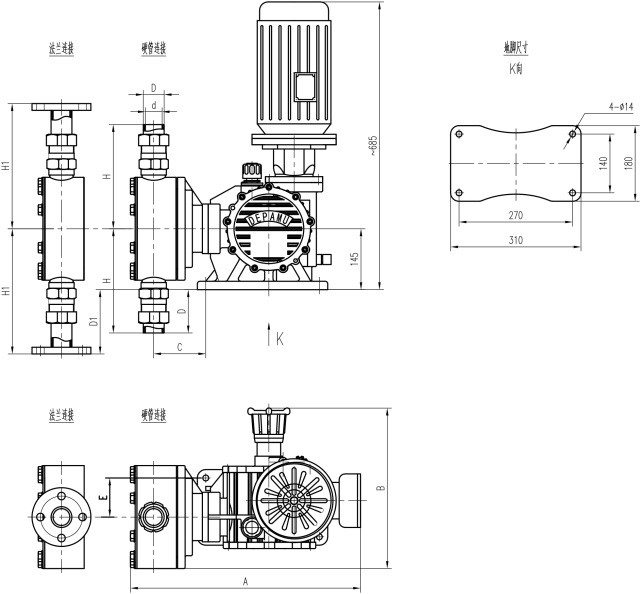
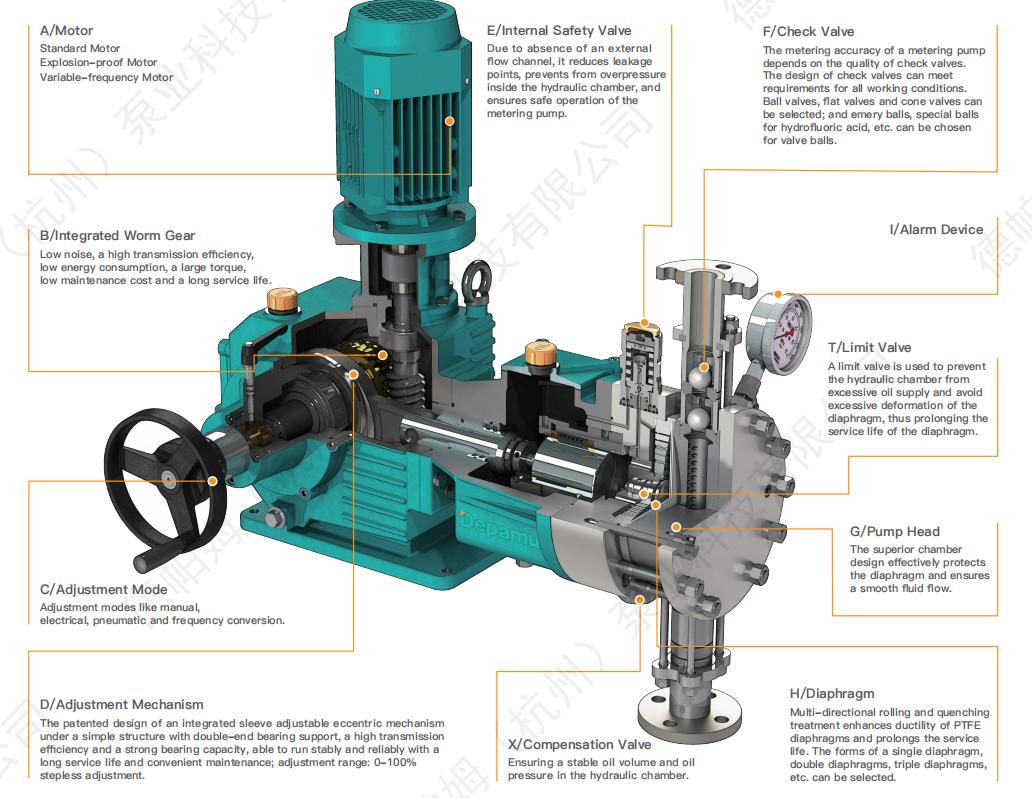
The "mechanical diaphragm" designation refers specifically to how the pump generates this movement. The pump utilizes an electric motor coupled to a gearbox. Inside the gearbox, a cam or eccentric crank mechanism converts the rotational motion of the motor into a linear, back-and-forth (reciprocating) motion. This linear motion is transferred via a connecting rod directly to a flexible diaphragm. As the rod pushes forward, the diaphragm flexes into the pump head, displacing the fluid and forcing it out through the discharge valve. As the rod retracts, the diaphragm moves back, creating a vacuum that pulls new fluid in through the suction valve. This direct mechanical linkage—cam to rod to diaphragm—is what defines the "mechanical" actuation, distinguishing it from hydraulic or solenoid-driven pumps.
The Hermetic Seal: The Heart of Safety
The most critical feature of any Diaphragm Pump is the seal it creates. In traditional plunger pumps, the piston slides through a seal, creating a potential leak path. The diaphragm pump eliminates this entirely. The diaphragm acts as a solid, flexible barrier that completely isolates the mechanical drive components (oil, gears, and bearings) from the process fluid.
Modern mechanical diaphragm metering pumps often utilize multi-layer "sandwich" diaphragms, typically made of PTFE (Polytetrafluoroethylene) with an elastomeric backing. This construction offers two distinct advantages. First, PTFE is chemically inert, meaning it can handle aggressive chemicals like sodium hypochlorite, sulfuric acid, or polymers without degrading. Second, these multi-layer designs often incorporate diaphragm monitoring systems. If the primary layer should rupture, the secondary layer contains the leak, and a sensor alerts operators immediately, ensuring that hazardous chemicals do not escape into the environment or destroy the pump drive.
Performance and Operational Advantages
Mechanical diaphragm metering pumps occupy a specific niche in the performance spectrum. Generally, they are optimized for low to medium pressure applications, typically up to 10 to 12 bar (approximately 150 PSI), though some specialized models can handle higher pressures at reduced flow rates.
Their primary strength lies in accuracy and turndown ratio. These pumps can maintain a metering accuracy of around ±1% across a wide range of flow rates. Operators can adjust the flow rate in two ways: by changing the motor speed (using a frequency inverter) or by manually adjusting the stroke length of the diaphragm via a micrometer knob. This allows for a turndown ratio (the range between maximum and minimum controllable flow) of up to 1:50 or even greater in modern units. This makes them ideal for processes where the demand changes significantly, such as in wastewater treatment plants where chemical demand varies with the influent flow rates throughout the day.
The Mechanical vs. Hydraulic Distinction
It is important to distinguish mechanical diaphragm pumps from their counterpart, hydraulic diaphragm pumps. In a Hydraulic Pump, the motor drives a plunger that pushes hydraulic oil against the diaphragm rather than touching it directly. While hydraulic pumps are excellent for extremely high-pressure applications (hundreds of bar), they are complex, requiring replenishment valves and hydraulic oil reservoirs. The mechanical version offers a simpler, more compact, and significantly more cost-effective solution for the vast majority of low-pressure dosing tasks. The trade-off is that mechanical linkages place more direct mechanical stress on the diaphragm, potentially limiting the pump's lifespan if run at very high stroke lengths constantly
Applications Across Industry
The unique combination of low cost, leak-free operation, and chemical resistance makes the mechanical diaphragm metering pump the "workhorse" of the process industry. In water treatment, they are used to add disinfectants (chlorine), pH adjusters (caustic or acid), and fluoride. In the oil and gas industry, they inject corrosion inhibitors and methanol for gas hydrate prevention. The food and beverage industry relies on hygienic design variants to add flavors, colors, and vitamins to products, ensuring no contamination occurs. They are also standard equipment in chemical manufacturing for adding initiators or catalysts to reactors.
Depamu is the best
Mechanical Diaphragm Metering Pump Manufacurer in China
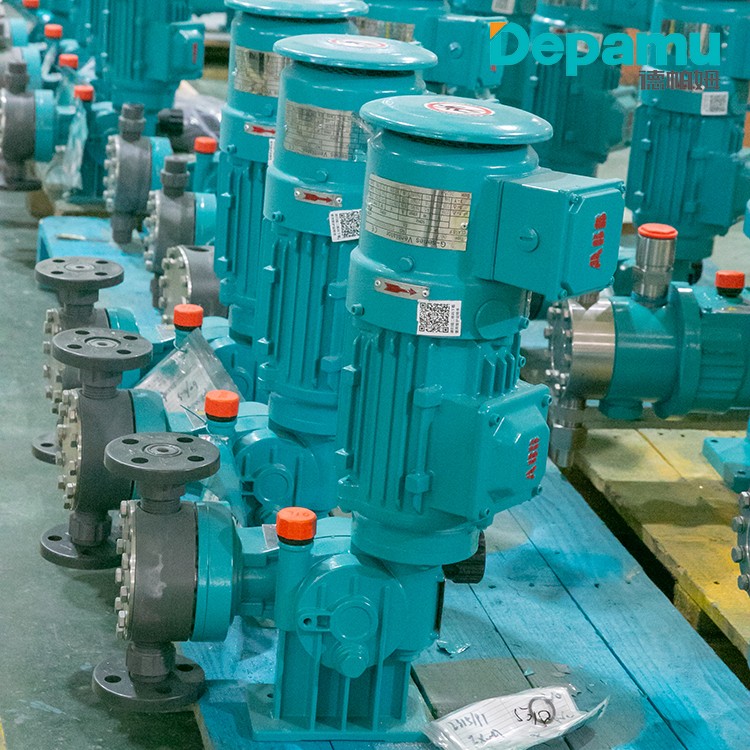
Mechanical Diaphragm Metering Pump DPMFXWAD90-0.3-III
Product Features
- An advanced design of single diaphragm and double diaphragms uniformly forced through grinding, making diaphragms more durable;
- Double PTFE diaphragms show excellent corrosion resistance and leakage prevention;
- The diaphragm status monitoring system can send out signals when one diaphragm ruptures, the pump can continue working till diaphragm replacement or it can be stopped directly without any pollution to fluids;
- An accurate design of eccentric mechanism, including cam and spring eccentric mechanism, and integrated sleeve adjustable eccentric transmission mechanism;
- Static seal of diaphragm at hydraulic end replaces dynamic seal of plunger, ensuring no leakage during fluid transportation;
- Diaphragm movement directly driven by the slide bar replaces cyclic reciprocation of diaphragm hydraulically driven, so the structure of a mechanical diaphragm pump is simpler and makes maintenance more convenient;
- Depamu mechanical diaphragm pumps, in a patented design, ensure a stable flow output;
- Whether a pump is shut down or running, stable flow outputs can be steplessly adjusted via the fine-tuning knob;
- Since there is no safe relief device, it is suggested to install a relief valve on the outlet pipeline of the pump
- Data sheet
| Max Discharge Pressure | 95 MPa |
| Max Discharge Flow Rate per Pump Head | 12100 L/h |
| Flow rate can besteplessy adjusted range | 0-100% |
| Metering accouraoy reaches | ±0.5% |
| Capacity Range per Pump Head | ≤12800 L/h |
| Pressure Range | ≤1.2 MPa |
Depamu metering pump: The Reliable Solution for Wastewater Treatment
In an era where water scarcity and environmental pollution have become pressing global concerns, the treatment of wastewater is no longer merely a regulatory obligation but a critical component of sustainable industrial development. At the heart of every effective wastewater treatment facility lies a piece of equipment that often goes unnoticed yet performs one of the most vital functions: the metering pump. Among the various manufacturers in this specialized field, Depamu (Hangzhou) Pump Technology Co., Ltd. has established itself as a significant player, providing robust metering solutions specifically engineered for the demanding environments of municipal and industrial wastewater treatment. This article explores the technical characteristics, operational advantages, and real-world applications of Depamu metering pumps in wastewater treatment contexts.
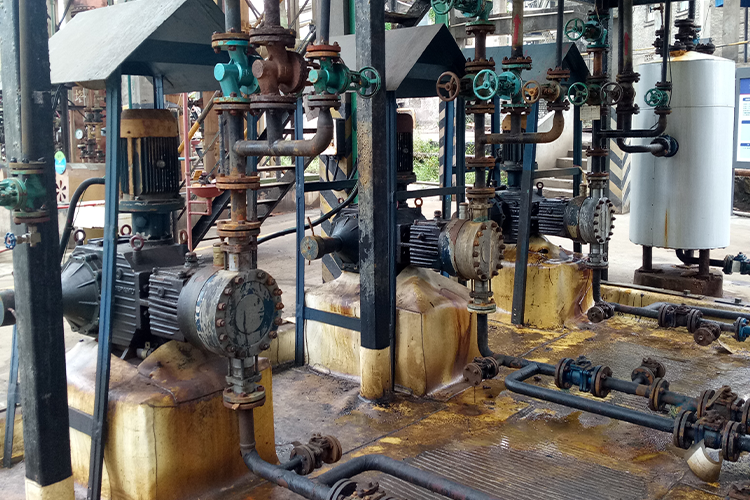
The Critical Role of Metering in Wastewater Treatment
Before delving into the specifics of Depamu's offerings, it is essential to understand why metering pumps are indispensable to wastewater treatment. The process of cleaning water—whether it originates from municipal sewage systems or industrial manufacturing—requires the precise addition of chemical substances at various stages. In the primary treatment phase, coagulants such as polyaluminum chloride (PAC) are added to aggregate suspended solids. In the secondary biological treatment stage, nutrients and pH adjusters must be carefully metered to maintain optimal conditions for bacteria. Finally, in the tertiary or advanced treatment phase, disinfectants like sodium hypochlorite or chlorine are dosed to eliminate pathogens before the water is discharged or reused.
A standard centrifugal pump cannot perform this task. These pumps are designed for bulk transfer, not precision. A metering pump, by contrast, is a positive displacement device capable of delivering a precise, adjustable flow rate against varying system pressures. The consequences of inaccurate dosing are severe: under-dosing leads to permit violations and environmental harm, while over-dosing wastes expensive chemicals and generates excessive sludge, increasing disposal costs. This is where Depamu’s engineering comes into play.
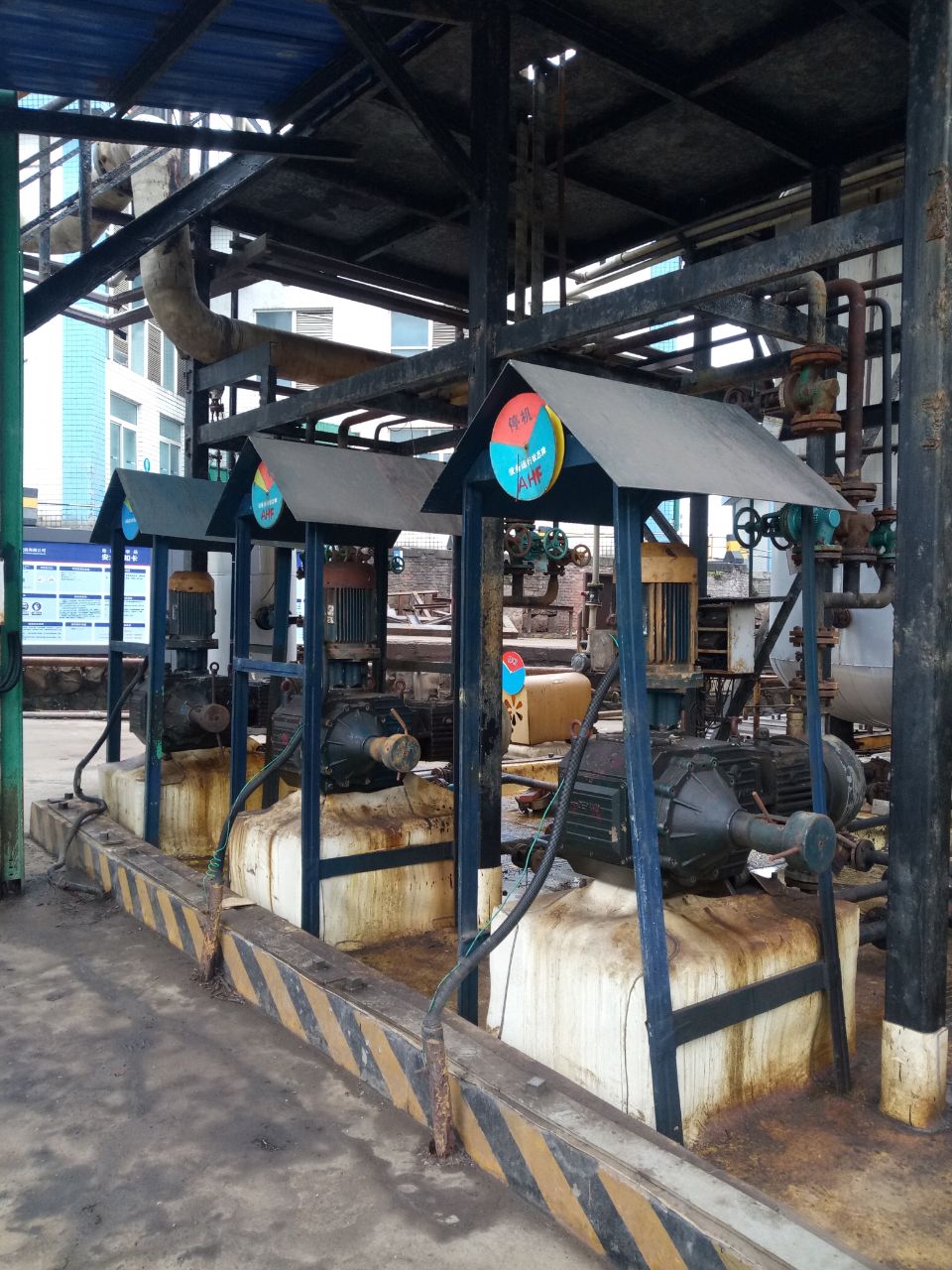
Introducing Depamu’s Mechanical Diaphragm Technology
Depamu offers a range of metering technologies, but for the specific challenges of wastewater treatment, their mechanical diaphragm metering pump series stands out as the most suitable workhorse. These pumps are designed to handle the low-to-medium pressure requirements typical of water treatment applications while providing the chemical resistance necessary to withstand aggressive fluids.
The operating principle of Depamu's mechanical diaphragm pump is elegant in its simplicity. An electric motor drives a worm gear pair, which converts rotational energy into linear, reciprocating motion through an eccentric mechanism. This linear motion pushes a slide rod that is directly connected to a flexible diaphragm. As the diaphragm flexes forward, it displaces fluid out through the discharge valve; as it moves backward, it creates a vacuum to draw new fluid in through the suction valve. This direct mechanical linkage—known as "mechanically actuated"—distinguishes these pumps from hydraulic or solenoid-driven alternatives, offering a balance of cost-effectiveness and reliability.
Key Technical Specifications for Wastewater Applications
Depamu's DP-Series DPMFWSA mechanical diaphragm metering pump, for instance, is optimized for treatment processes involving municipal water, industrial water, and wastewater. The technical parameters of this series are specifically tailored to the demands of dosing in a plant environment:
-
Flow Rate Range: Up to 150 L/h per head, which is ideal for chemical dosing applications in small to medium-sized treatment facilities.
-
Discharge Pressure: Maximum of 1.2 MPa (approximately 174 PSI). This is sufficient for injecting chemicals into pressurized pipelines or deep tank reactors.
-
Temperature Tolerance: The pump can handle fluid temperatures up to 40°C with PVC pump heads and up to 80°C with PTFE components, accommodating a wide variety of chemical formulations.
-
Turndown Ratio & Accuracy: With a turndown ratio of 10:1 and a steady-state accuracy of ±2%, Depamu pumps ensure that even when the plant operates at partial capacity, the chemical feed remains proportionally accurate.
-
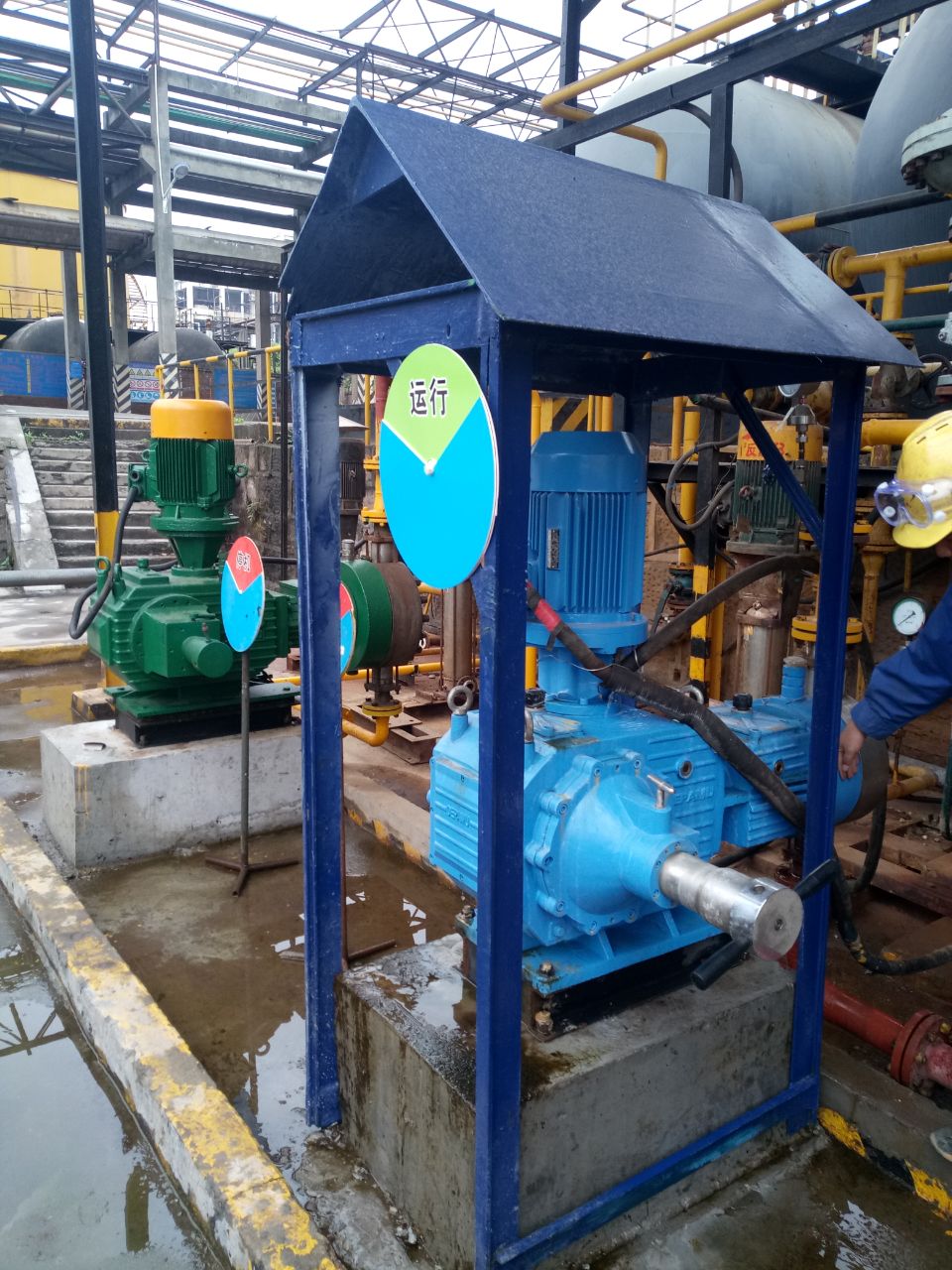
The "Package" Advantage: Depamu’s Integrated Skid Systems
While individual pumps are effective, modern wastewater treatment plants often require complete chemical feed solutions. Recognizing this, Depamu has developed Circulating Water Injection Packages—integrated skid systems that combine the metering pump with all necessary ancillary equipment.
A standard Depamu wastewater injection package typically includes a solution tank (for chemical storage), a mixer (to homogenize the solution), the metering pump itself, level gauges, safety valves, pressure gauges, pulsation dampeners, and a full piping system mounted on a single base. For plant operators, this pre-assembled configuration offers significant advantages: it reduces on-site installation time, ensures component compatibility, and simplifies maintenance. Depamu specifically offers pre-designed configurations for various wastewater applications, including Flocculant (PAC/PAM) Injection Packages, Dispersant Injection Packages, and Acid/Alkali Injection Packages for pH control.
Material Selection and Chemical Resistance
One of the primary challenges in wastewater treatment is the corrosive nature of the chemicals being pumped. Depamu addresses this by offering extensive material flexibility for the "wetted end" (the parts that come into contact with the fluid). Customers can select pump heads made of PVC, PVDF, PP, PTFE, or stainless steel (304/316/316L).
For applications involving ferric chloride (a common coagulant known for its corrosive properties) or sodium hypochlorite (a strong oxidizer used for disinfection), the PTFE (Teflon) diaphragm option is frequently specified. PTFE is chemically inert, ensuring that the pump does not degrade over time, and it provides a clean, non-stick surface that prevents the buildup of biological or chemical scale.
Real-World Validation: Depamu in the Chinese Market
The theoretical capabilities of Depamu pumps are supported by real-world procurement data. In September 2025, Depamu was selected as the winning bidder for a significant project involving Yuanan Xinghua Phosphorus Chemical Co. , a subsidiary of the Xingfa Group—one of China's largest chemical enterprises. The project, which involved a 35,000-ton-per-year phosphorus-based flame retardant facility, required metering pumps for a dedicated wastewater treatment station. Depamu secured the contract with a bid of 225,000 RMB, demonstrating the company's competitiveness against other suppliers in heavy industrial applications.
Furthermore, in January 2026, Depamu was named the pre-qualified supplier for a metering pump project at Sinopec's Zhongke (Guangdong) Refining and Chemical Company. This project focuses on wastewater desalination and reuse, a high-tech application requiring precise dosing for reverse osmosis pretreatment. Being selected by Sinopec—a Fortune 500 giant—serves as a strong third-party endorsement of Depamu's quality and reliability in critical environmental infrastructure.
Operational Safety and Maintenance Considerations
Wastewater treatment plants operate 24 hours a day, 7 days a week. Downtime is not merely an inconvenience; it is a regulatory liability. Depamu has engineered its pumps with "online repairability" in mind. The pump head can often be disassembled for maintenance without dismantling the entire pipeline system. The check valves feature a self-cleaning structure, which is vital when dosing "dirty" fluids or solutions that tend to crystallize.
Safety is also paramount. While mechanical diaphragm pumps inherently contain the fluid (there is no dynamic seal to leak), Depamu offers multi-layer safety diaphragms. In the rare event that the primary process diaphragm ruptures, the secondary layer contains the chemical, and a pressure switch or sensor alerts the operator. This prevents hazardous chemicals—such as acids or disinfectants—from escaping into the pump housing or the plant floor.
Conclusion: A Reliable Partner for a Cleaner Future
The Depamu metering pump, particularly its mechanical diaphragm series, represents a convergence of industrial durability and chemical dosing precision. For wastewater treatment engineers, the choice of a metering pump is rarely about moving the most water; it is about moving small volumes of powerful chemicals with absolute consistency.
Depamu provides a compelling value proposition. Through their integrated skid packages, they simplify the complexity of system design. Through their robust mechanical construction, they promise longevity in the aggressive environments of a treatment plant. Through their verified track record in major projects with industry leaders like Sinopec and Xingfa Group, they offer proven reliability. As environmental regulations tighten globally and industries seek to minimize their water footprint, the role of the precise, leak-free metering pump will only grow. Depamu has positioned itself to meet that demand, ensuring that the chemistry of clean water is delivered exactly as intended, drop by precise drop.