

Introduction
The single screw Depamu-pumps.com/Metering-pump.html target='_blank'>Metering Pump, also known as the progressive cavity pump or eccentric Screw Pump, represents one of the most versatile positive displacement pumping technologies available today. Originally patented by René Moineau in the 1930s, this pump design has evolved into an indispensable tool across virtually every major industry, from chemical processing and food manufacturing to oil extraction and wastewater treatment. What makes this pump type particularly remarkable is its extraordinary adaptability: it can transport media ranging from water-thin liquids to non-flowing pastes, from clean oils to abrasive slurries containing solid particles up to 30 millimeters in diameter, and from chemically neutral substances to highly corrosive fluids with pH values spanning the entire 0–14 range. This article examines the wide spectrum of media that single screw metering pumps can handle, organized by key fluid characteristics and industrial applications.
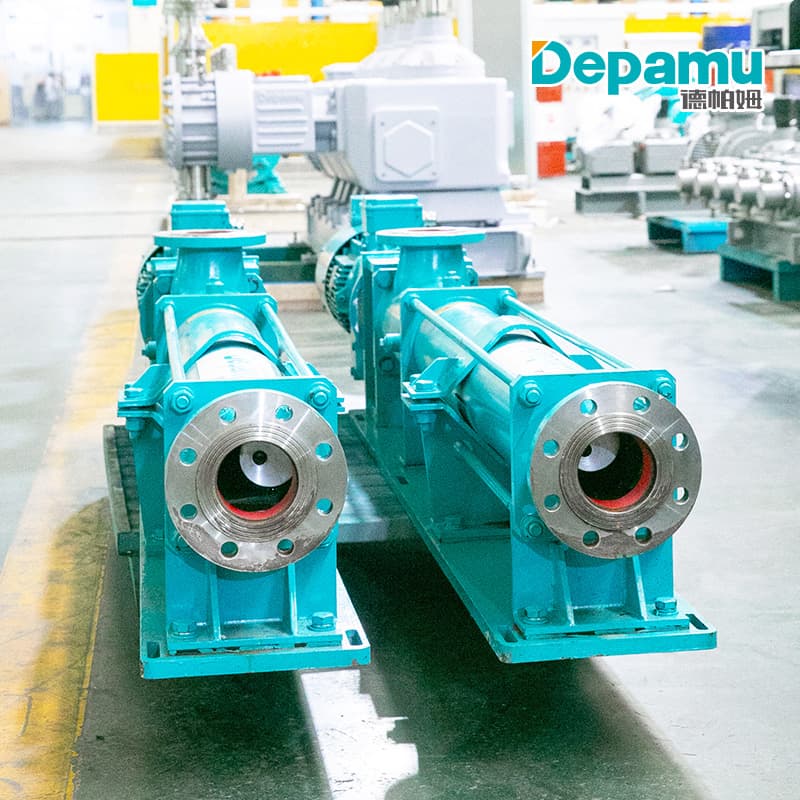
Understanding the Working Principle
The single screw pump operates on a fundamentally simple yet ingenious mechanism. Its working component consists of a helical metallic rotor that rotates eccentrically within a helical elastomer stator. As the rotor turns, sealed cavities form between the rotor and stator surfaces, progressively moving from the suction end to the discharge end. This design creates a smooth, continuous, and low-pulsation flow that gently transports the medium without shearing, churning, or damaging its internal structure. Because the pump is self-priming and operates as a positive displacement device, its conveying capacity is directly proportional to rotational speed, enabling high-precision metering across the entire speed range.
Media by Viscosity Range
One of the most compelling attributes of the single screw pump is its ability to handle an exceptionally broad viscosity spectrum. These pumps can transport media with viscosities ranging from as low as 1 mPa·s — comparable to water — all the way up to 1,000,000 mPa·s or even higher, approaching the consistency of peanut butter or quark. This range spans approximately six orders of magnitude, far exceeding the capabilities of centrifugal or most other pump types.
At the low-viscosity end, single screw pumps efficiently transfer water, wastewater, chemical solvents, and dilute acids or bases. In the mid-range, they handle oils, lubricants, paints, inks, and various food products such as milk, fruit juice, and vegetable oil. At the high-viscosity extreme, they convey thick pastes, adhesives, sealants, greases, chocolate, tomato concentrate, honey, and even non-flowing semi-solid materials that would not move under gravity alone. This unique capability makes single screw metering pumps the preferred solution for applications where other pump technologies would simply fail due to insufficient suction or excessive shear degradation.
Media by Solid Content
Single screw pumps distinguish themselves through their capacity to transport media containing substantial quantities of solid particles. The pump can handle solids with maximum particle sizes up to 30 mm and solid content levels reaching 40% under normal operating conditions, or even exceeding 60% for fine particulate materials such as calcium carbonate. The gentle, wiping action of the rotor against the stator enables the pump to pass solid particles without crushing or grinding them, unlike gear or vane pumps that would rapidly wear under such conditions.
This solid-handling capability opens the door to numerous critical industrial applications. In the mining industry, single screw pumps transport mineral slurries, tailings, and thickened backfill mixtures that contain abrasive rock particles. In wastewater treatment, they convey raw sewage sludge, digested sludge, and dewatered sludge with high solid concentrations. In the food industry, they move mixtures containing fruit pieces, meat particles, or fibrous vegetable matter without damaging the product's texture or appearance. The construction industry relies on these pumps for transferring cement slurries, grout mixtures, and mortar.
Media by Chemical Characteristics
The chemical resistance of single screw metering pumps is largely determined by the materials used in their construction. With appropriate selection of rotor and stator materials — ranging from stainless steel and cast iron to specialized elastomers such as NBR, EPDM, and FKM — these pumps can handle a remarkably wide range of chemically aggressive media. The pumps are suitable for transporting both organic and inorganic acids and bases, including sulfuric acid, hydrochloric acid, sodium hydroxide, and ferric chloride solutions. They can also transfer brines, limewater, and various salt solutions across the full pH spectrum from 0 to 14.
Beyond simple corrosive fluids, single screw pumps are frequently employed to transport complex chemical formulations such as natural and synthetic polymers, anionic and cationic polyelectrolytes, and flocculants used in water treatment processes. In the petrochemical sector, they handle crude oil, produced water containing trace hydrocarbons and dissolved gases, drilling mud, and various petroleum derivatives. The pump's gentle handling characteristics ensure that shear-sensitive chemical compounds, including emulsions and polymer solutions, maintain their molecular integrity throughout the transfer process.
Media by Industry Application
The diversity of media handled by single screw metering pumps becomes most apparent when examined through the lens of specific industries.
In the food and beverage industry, these pumps transfer a wide array of products including dairy products, fruit juices, mashed fruits, vegetable slurries, meat gruel, flavorings, jam, starch, butter, yeast, ketchup, mayonnaise, and chocolate. Hygienic models featuring FDA-compliant elastomers and polished stainless steel surfaces meet the stringent cleanliness requirements of this sector, supporting Clean-in-Place and Sterilizing-in-Place procedures.
In the pharmaceutical and cosmetic industries, single screw pumps deliver viscous drug formulations, ointments, creams, gels, syrups, and cosmetic emulsions with exceptional precision. The ability to dose these sensitive products without shearing active ingredients represents a significant advantage over alternative pumping technologies.
In environmental engineering, the pumps convey sewage, activated sludge, chemical flocculants, and dewatered sludge, forming an essential component of modern wastewater treatment infrastructure.
In the paper and pulp industry, they transport high-consistency paper pulp, dregs slurry, coating colors, and chemical additives used in paper production.
In the oil and gas sector, single screw pumps handle crude oil, produced water, oil-water mixtures, and viscous drilling fluids, often operating in challenging environments that demand explosion-proof certifications and resistance to aggressive media.
Selection Considerations and Limitations
While single screw metering pumps offer extraordinary versatility, proper media compatibility assessment remains essential for optimal performance and service life. Key selection factors include the chemical composition and pH of the medium, which determine the appropriate rotor and stator materials; the viscosity range, which influences pump geometry and speed requirements; solid content and particle size, which dictate the clearance between rotor and stator; and temperature, which affects both material selection and seal design.
Certain limitations should also be acknowledged. Very low-viscosity media may provide insufficient lubrication between the rotor and stator, potentially causing accelerated wear. Extremely abrasive media can shorten the lifespan of elastomeric stators, requiring more frequent replacement. Additionally, media containing large, hard foreign objects that exceed the maximum particle size may cause blockage or damage. Proper filtration and pre-treatment are therefore recommended for such applications.
Conclusion
The single screw metering pump stands as a testament to elegant engineering, capable of transporting an astonishingly diverse range of media that spans the full spectrum of industrial fluids. From water-thin chemicals to non-flowing pastes, from clean pharmaceutical solutions to abrasive mining slurries containing solid particles up to 30 millimeters, and from pH-neutral substances to highly corrosive acids and bases — this pump type handles them all with the same gentle, precise, and reliable operation. Its unique combination of wide viscosity tolerance, solid-handling capability, chemical resistance, and low-shear conveying makes it an irreplaceable asset across the chemical, food, pharmaceutical, environmental, mining, energy, and manufacturing sectors. As industries continue to demand more versatile and efficient fluid handling solutions, the single screw metering pump will undoubtedly remain a cornerstone technology for decades to come.