

The Depamu Hydraulic Diaphragm Metering Pump: A Critical Asset for Acid, Base, Gas, and Oil Processing
In the demanding environments of chemical processing, oil and gas production, and water treatment, the accurate and reliable transfer of fluids is not merely an operational preference but an absolute necessity. The precise injection of acids, bases, process gases, and hydrocarbon-based oils is fundamental to product quality, safety, and environmental compliance. Among the various technologies available for this critical task, the Hydraulic Diaphragm Metering Pump stands out for its ability to combine high accuracy, leak-free operation, and the capacity to handle aggressive and hazardous fluids. The Depamu Hydraulic Diaphragm Metering Pump represents a significant advancement in this field, integrating robust engineering with advanced features to meet the rigorous demands of modern industry.
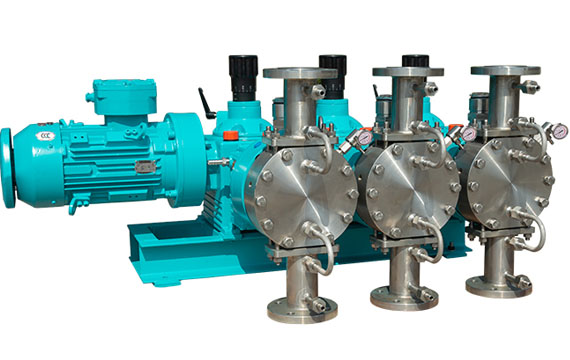
Engineering Principles and Operational Integrity
At the heart of the Depamu hydraulic diaphragm metering pump is a sophisticated mechanism that transforms rotary power into precise, reciprocating fluid displacement. The operation begins with an electric motor that drives a worm gear pair. This gear set converts the motor's high-speed rotation into a slower, more powerful rotary motion, which is then translated into a linear, reciprocating movement by an adjustable eccentric mechanism. This reciprocating motion is transmitted to a plunger within the hydraulic end of the pump, which applies pressure to a contained hydraulic fluid. This hydraulic fluid, in turn, acts upon a flexible diaphragm, causing it to flex and create the pumping action. This indirect, hydraulically-actuated drive system is a key differentiator from mechanically-driven Diaphragm Pumps, offering several distinct advantages for handling challenging media like acids, bases, oils, and gases. The hydraulic system ensures a smoother, more balanced stress distribution on the diaphragm, leading to significantly longer operational life and improved accuracy.
A core strength of this pump series is the use of an advanced, patented integrated sleeve adjustable eccentric transmission mechanism. This system enables continuous, stepless flow rate adjustment from 0% to 100% of the pump's capacity, even while the pump is in operation. This turndown capability is crucial for processes that require varying feed rates, allowing operators to fine-tune the injection of a catalyst or neutralizing agent without needing to stop the system or install a different pump. The metering accuracy is guaranteed at ±0.5% to ±1%, ensuring that the precise amount of chemical is delivered every cycle, which is critical for maintaining product consistency and minimizing waste.
Chemical Compatibility and Material Selection for Acids and Bases
The ability to safely and reliably handle corrosive acids and bases is a defining feature of the Depamu pump. Depamu addresses this challenge by offering a wide range of wetted parts—the components that come into direct contact with the process fluid. Standard materials include various grades of stainless steel such as 304, 316, and 316L, as well as advanced engineering plastics like PVC (Polyvinyl Chloride), PVDF (Polyvinylidene Fluoride), PP (Polypropylene), and PTFE (Polytetrafluoroethylene, commonly known as Teflon).
This material flexibility ensures chemical compatibility for a vast spectrum of applications, from dosing concentrated sulfuric acid in a pickling line to injecting sodium hydroxide for pH control in a wastewater treatment plant. The diaphragm itself, a critical component, is typically manufactured from PTFE. PTFE is renowned for its exceptional chemical inertness, making it impervious to attack from virtually all acids and bases. Its flexibility and high tensile strength allow it to withstand millions of flex cycles, a testament to the design life that can exceed 96,000 hours in some configurations. Furthermore, the pump head can be configured with a single or double diaphragm structure, with the double diaphragm option often incorporating a leak detection system for an added layer of safety when handling the most hazardous chemicals.
Leak-Free Operation for Gas and Oil Applications
In the oil and gas industry, where fluids are often flammable, volatile, and under high pressure, the prevention of leaks is paramount. The sealed hydraulic design of the Depamu pump provides an inherent advantage over traditional packed plunger pumps. In a plunger pump, the reciprocating plunger must pass through a packing gland to move in and out of the fluid chamber. This packing is a common source of wear and leakage. The Depamu hydraulic diaphragm pump eliminates this dynamic seal entirely. The hydraulic fluid is contained within a sealed system, and the process fluid is contained within the pump head, with the diaphragm acting as the only barrier between the two. This "zero-leakage" operation not only protects the environment and personnel from exposure to toxic or flammable gases and oils but also prevents costly product loss and reduces maintenance frequency associated with replacing worn packing seals.
The robust design is further enhanced by the pump's construction. The power end, which houses the gears and bearings, is housed in a durable cast aluminum housing with effective heat dissipation and an oil-immersion bath lubrication system. This ensures long-term, reliable operation of the transmission mechanism, even in the continuous duty cycles typical of oil and gas processing. Depamu pumps are designed and manufactured to meet international standards, including API 674 and API 675, which are the industry standards for positive displacement pumps and metering pumps in the petroleum, chemical, and gas industries. This adherence to stringent quality and safety guidelines underscores their suitability for these critical applications.
Built-in Safety and Advanced Control Features
Safety is not an afterthought in the design of the Depamu hydraulic diaphragm pump. The hydraulic system incorporates an internal safety valve and a compensation valve. The safety valve provides automatic protection against overpressure conditions, safeguarding the pump and the downstream piping from damage if a discharge line becomes blocked. The compensation and venting valve system performs two critical functions: it automatically vents any air that may accumulate in the hydraulic fluid—which could cause erratic pumping or a loss of prime—and it automatically replenishes the hydraulic fluid to compensate for any minor losses, ensuring consistent and reliable performance.
The control systems for these pumps are equally advanced. Flow rate adjustment can be achieved through a variety of methods to suit any automation level. These include manual stroke adjustment, electric stroke control, pneumatic control, and frequency conversion adjustment through a variable frequency drive (VFD). This flexibility allows for seamless integration into modern, automated process control networks, where the pump's output can be modulated in real-time based on signals from flow meters, pH sensors, or other analytical instruments. The self-cleaning design of the high-precision inlet and outlet check valves further enhances reliability by preventing build-up and ensuring positive sealing with every stroke, which is particularly beneficial when handling fluids that may contain particulates.
In conclusion, the Depamu Hydraulic Diaphragm Metering Pump is a sophisticated and versatile tool engineered for the most demanding fluid handling applications. Its hydraulically-actuated diaphragm design ensures high metering accuracy and leak-free operation, making it ideal for the safe and precise handling of corrosive acids, hazardous bases, volatile process gases, and valuable oils. The combination of a robust drive mechanism, extensive material selection for wetted parts, built-in safety systems, and flexible control options positions it as a reliable and indispensable asset for industries ranging from chemical manufacturing and petrochemicals to power generation and municipal water treatment. Its compliance with rigorous international standards like API 675 confirms its status as a premier solution for precision fluid management in critical process environments.