

Depamu High Viscosity Electric Diaphragm Pump for Emulsion, Juice, Milk and Beer
Introduction
In the food and beverage industry, fluid handling presents a unique set of engineering challenges. Products ranging from thick emulsions and concentrated fruit juices to fresh milk and craft beer demand pumping solutions that can accommodate high viscosity, preserve product integrity, and meet stringent hygiene standards. Depamu (Hangzhou) Pumps Technology Co., Ltd., with over seventeen years of manufacturing experience, has developed a range of high viscosity Electric Diaphragm Pumps specifically engineered to address these demanding applications. This article examines the technical features of Depamu's electric diaphragm pumps and explores their suitability for pumping emulsion, juice, milk, and beer.
Understanding the Technology: Electric Diaphragm Pump Design
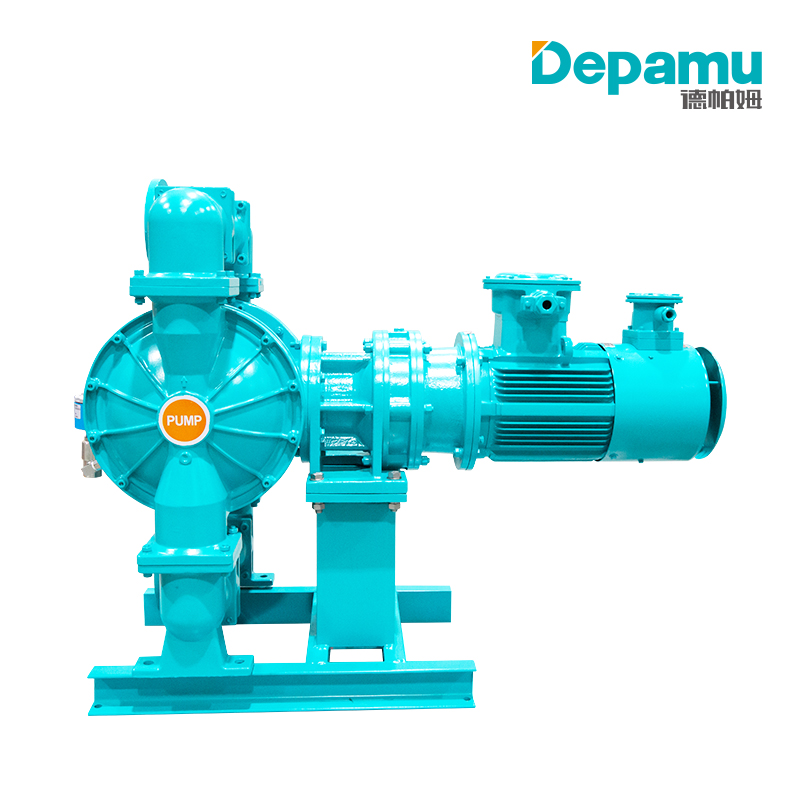
Depamu electric diaphragm pumps are built on multiple globally leading technologies and are designed to transport corrosive, viscous, volatile, inflammable, and toxic liquids, as well as liquids containing particles, all while maintaining high safety standards. Unlike conventional air-operated double diaphragm (AODD) pumps, the electric-driven variant replaces the pneumatic drive with a precision electric motor, offering advantages in energy efficiency, controllability, and operational consistency.
The core working principle is straightforward yet effective: a motorized diaphragm moves up and down, creating a vacuum that draws fluid into the pump chamber and then expels it under pressure. The operation is smooth and ensures a predictable, reliable flow rate. For high-viscosity applications, this positive displacement mechanism is particularly advantageous because the pump's performance is largely independent of fluid thickness—the diaphragm displaces a fixed volume with each stroke, ensuring consistent flow regardless of viscosity.
Several design features make Depamu pumps well suited to viscous and shear-sensitive media:
-
PTFE diaphragms: Manufactured through special compression moulding, these diaphragms offer excellent mechanical performance and resistance to corrosion by strong acids, bases, and solvents.
-
Check valve assembly: Resistant to bonding and precipitation, the valve assembly enables the transport of high-viscosity fluids and fluids with particles while generating minimal vibration and noise.
-
Cross-shaped sliding shaft: A reciprocating cross-shaped sliding shaft connected to the diaphragm delivers performance significantly superior to traditional bow-shaped shaft designs.
-
Vertical bevel gear reducer: This drive mechanism provides large transmission torque, high mechanical efficiency, and quiet operation.
-
Sealless design: The absence of mechanical seals eliminates leakage risk and allows the pump to run dry or against closed valve conditions without damage to the pump or environment.
These characteristics collectively position Depamu's electric diaphragm pumps as an ideal solution for the food and beverage sector, where hygiene, product quality, and operational reliability are paramount.
Application in Emulsion Pumping
Emulsions are colloidal systems in which fine droplets of one liquid are dispersed within another. In the food industry, common emulsions include mayonnaise, salad dressings, sauces, and various cream-based products. These fluids are typically shear-sensitive: excessive mechanical agitation or high shear stress during pumping can cause the emulsion to break, leading to phase separation, altered texture, and reduced shelf life. The temperature range for food emulsions is generally between −25°C and 85°C, with preferred processing conditions of 0 to 50°C, meaning that gentle handling at controlled temperatures is essential for maintaining emulsion stability.
Depamu electric diaphragm pumps are well suited to emulsion transfer because of their inherently gentle pumping action. Since the fluid is moved by the reciprocating motion of the diaphragm rather than by rotating impellers or high-speed gears, the shear forces exerted on the emulsion are minimal. This low-shear characteristic is critical for preserving droplet size distribution and preventing coalescence. Additionally, the sealless design of the pump eliminates the risk of air entrainment through seal leakage, which could otherwise introduce oxygen into the emulsion and accelerate oxidative degradation.
The check valve assembly's resistance to bonding and precipitation is particularly valuable when handling emulsions, as these fluids can leave residues that clog or impair conventional valve mechanisms. Depamu's design ensures that even sticky, high-viscosity emulsions are transported efficiently without compromising pump performance. Furthermore, the ability to select pump head materials and structures—including single or double diaphragm configurations—allows processors to tailor the pump to specific emulsion formulations and processing conditions.
Application in Juice Processing
Fruit juices and juice concentrates represent another category of fluids where high viscosity and shear sensitivity intersect. Concentrated fruit juices, in particular, can reach viscosities that challenge conventional centrifugal pumps. Diaphragm pumps have proven effective in pumping concentrated fruit juices, sauces, pastes, starches, and similar products with viscosities up to 10,000 cP and beyond.
One of the primary concerns in juice processing is maintaining product quality. Heat-sensitive vitamins and delicate flavour compounds can be degraded by excessive mechanical shear or temperature rise during pumping. Depamu's electric diaphragm pumps address this concern through their gentle, low-pulsation operation. The lack of close-tolerance internal components—such as those found in gear or lobe pumps—means there are no areas where juice solids or pulp particles can become trapped and damaged. This is especially important for juices containing fruit pulp, where maintaining particle integrity contributes directly to the visual and sensory appeal of the final product.
The pumps also handle liquids with particles effectively, making them suitable for pulpy juices and nectars. The check valve assembly's ability to resist bonding and precipitation ensures reliable operation even when processing juices with high sugar content, which can otherwise cause valve sticking and reduced performance. For juice concentrate applications, the pump's ability to handle fluids irrespective of their viscosity or particle content makes it a versatile choice for facilities that process multiple product lines.
From a hygiene perspective, Depamu pumps can be configured with sanitary-grade materials and surface finishes that comply with food contact regulations. The smooth internal passages and absence of crevices facilitate effective clean-in-place (CIP) procedures, which are essential in juice processing plants where product changeovers are frequent and microbial control is critical.
Application in Milk and Dairy Processing
The dairy industry demands the highest standards of hygiene and product safety. Milk and dairy products are excellent growth media for microorganisms, and any pump used in their handling must meet rigorous sanitary standards, including 3A certification and FDA compliance for food contact materials. Diaphragm pumps have been widely adopted in dairy applications for transferring milk, cream, yogurt, cream cheese, and melted cheese.
Depamu electric diaphragm pumps offer several advantages for dairy processing. The sealless design eliminates the risk of lubricant contamination—a critical concern in dairy environments where even trace amounts of non-food-grade lubricant can compromise an entire batch. The closed surface diaphragm design further reduces the risk of particle entrapment and biofilm formation, which are persistent challenges in dairy processing equipment.
Temperature control is another important consideration. Dairy products must be maintained within specific temperature ranges throughout processing to inhibit bacterial growth and preserve product quality. The electric drive system of Depamu pumps generates less heat than pneumatic alternatives, contributing to a more stable thermal environment for the pumped product. The pump's ability to handle high-temperature liquids up to 150°C also makes it suitable for applications involving hot dairy products or CIP solutions.
For concentrated dairy products such as cream cheese and condensed milk, the high-viscosity handling capability of Depamu pumps becomes particularly relevant. These products can exhibit viscosities well above 10,000 cP, and their sticky, cohesive nature can cause conventional pumps to lose prime or experience reduced flow rates. The positive displacement action of the diaphragm pump ensures consistent flow even under these challenging conditions, while the check valve assembly's anti-bonding properties prevent product accumulation and blockages.
The dairy industry's reliance on efficient CIP and sterilization-in-place (SIP) protocols is also well served by Depamu's pump design. The absence of dead spaces and the use of FDA-compliant materials ensure that cleaning solutions can reach all product-contact surfaces, maintaining the microbiological safety standards that dairy processors require.
Application in Beer Transfer and Brewing
Beer is a particularly demanding fluid to pump because it is sensitive to oxygen exposure, shear stress, and temperature fluctuations. Oxidation can lead to stale flavours and reduced shelf life, while excessive shear can damage foam-active proteins and alter the beer's head retention characteristics. Throughout the brewing process—from transferring hot wort to moving finished beer between fermentation vessels, filters, and packaging lines—careful fluid handling is essential.
Diaphragm pumps are commonly used in breweries because they efficiently and safely transfer and filter beer or wine, typically moving liquid from the fermentation tank to the filter and then to the bottling line while ensuring purity and efficiency throughout the process. Depamu's electric diaphragm pumps bring additional advantages to this application. The sealless design minimises oxygen ingress, which is critical for maintaining beer freshness and flavour stability. Unlike centrifugal pumps, which can introduce air into the product through turbulence and cavitation, the gentle, positive displacement action of the diaphragm pump keeps dissolved oxygen levels to a minimum.
The pump's low-shear operation also helps preserve the colloidal stability of beer, preventing the breakdown of protein-polyphenol complexes that contribute to haze formation and foam quality. For craft breweries producing specialty beers with high original gravity or added fruit purees, the high-viscosity handling capability of Depamu pumps ensures reliable transfer without compromising the beer's distinctive characteristics.
Depamu electric diaphragm pumps are also compatible with the hygienic requirements of brewing operations. The ability to select from multiple pump head materials and structures allows brewers to specify configurations that meet their specific hygiene and process requirements. The pumps' suitability for CIP procedures ensures that product lines can be effectively sanitised between different beer styles, preventing cross-contamination and maintaining product consistency.
Technical Advantages of the Electric Drive System
While many diaphragm pumps used in food and beverage applications are air-operated, Depamu's electric-driven configuration offers several distinct advantages. Electric diaphragm pumps are engineered for continuous operation in challenging industrial environments and deliver unmatched performance, energy efficiency, and operational reliability. The electric drive provides precise speed control, allowing operators to adjust flow rates to match specific process requirements—a capability that is particularly valuable when handling fluids of varying viscosity.
Energy consumption is significantly reduced compared to compressed air systems. Air-operated pumps require a continuous supply of compressed air, which is an inherently inefficient energy transfer medium. Electric pumps convert electrical energy directly into mechanical motion, achieving higher overall efficiency and lower operating costs. For facilities running multiple pumps continuously, the energy savings can be substantial.
Maintenance is also simplified. The modular design and compatibility with shared spare parts from Depamu's air-operated double diaphragm pump range make servicing quick and cost-effective. The absence of air valves, which are a common wear point in AODD pumps, further reduces maintenance requirements. The pumps can also run dry without damage, providing an extra layer of operational safety in processes where supply interruptions may occur.
Conclusion
Depamu's high viscosity electric diaphragm pumps represent a versatile and reliable fluid handling solution for the food and beverage industry. Their ability to handle emulsions, juices, milk, and beer—each with its own unique set of viscosity, shear sensitivity, and hygiene requirements—demonstrates the adaptability of the positive displacement diaphragm design combined with electric drive technology. With features such as PTFE diaphragms, anti-bonding check valves, sealless construction, and precise speed control, these pumps deliver consistent performance while protecting product integrity and meeting the strictest sanitary standards. As food and beverage processors continue to seek equipment that balances efficiency, product quality, and operational reliability, Depamu's electric diaphragm pump range offers a compelling solution that addresses the most demanding fluid transfer challenges in the industry